
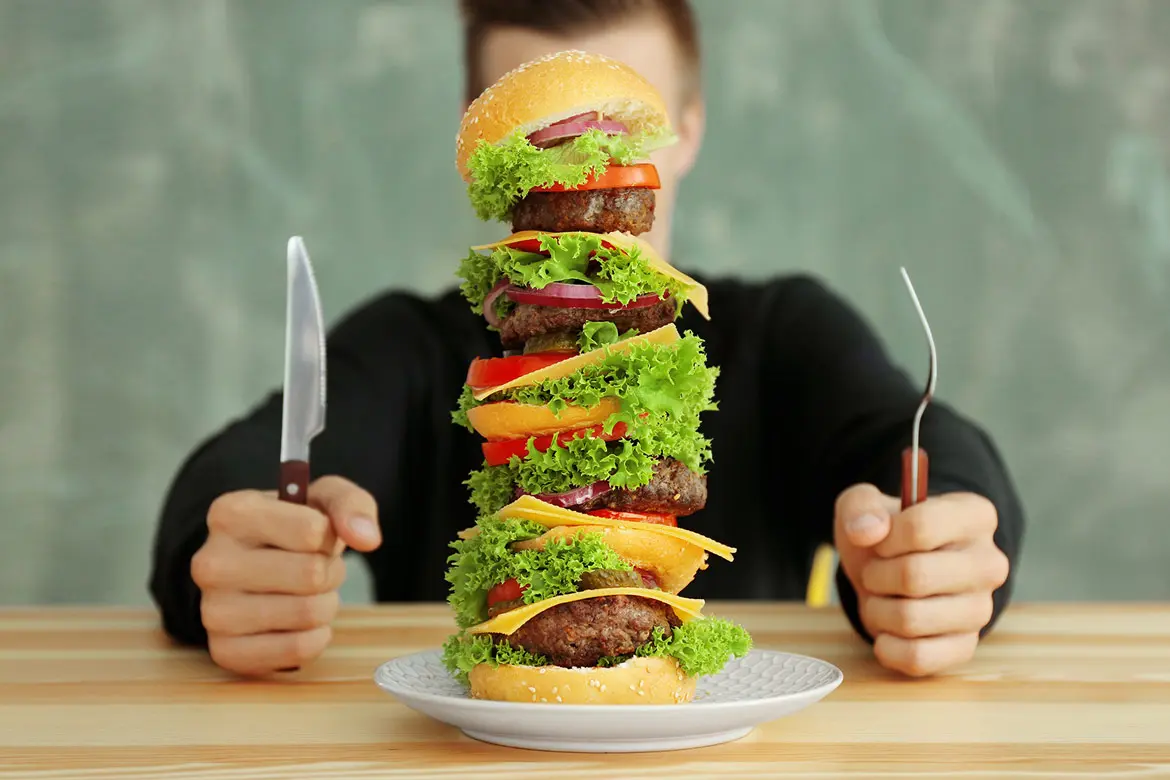
Why Do People Eat Heavy Food on Holidays?
Holidays are a time when tables overflow with rich, hearty meals. Whether it’s creamy desserts, grilled meats, buttery breads, or spicy rice dishes, heavy food becomes the heart of most holiday traditions. But this isn’t just about taste. The craving for heavy food during holidays is rooted in emotions, culture, seasonal changes, and human psychology.
Main Reasons Why People Crave Heavy Foods During Holidays
-
Emotional Comfort – Food connects us to warm memories and family moments.
-
Cultural Rituals – Traditional foods hold historical and spiritual importance.
-
Celebration & Sharing – Big meals reflect hospitality and love.
-
Relaxed Diet Rules – Holidays often act as “free pass” days.
-
Cold Weather – Heavier meals offer warmth and energy.
-
Brain Chemistry – Rich food boosts feel-good hormones like dopamine.
1. Food Feeds Our Emotions During Holidays
When people eat traditional holiday dishes, they’re often reconnecting with childhood memories or moments of togetherness. For example, a slice of rich chocolate cake may remind someone of family gatherings from the past. That emotional comfort becomes part of the craving. Heavy foods, often called “comfort foods,” give people a sense of peace, warmth, and satisfaction—especially in emotional times.
2. Culture and Traditions Shape Holiday Meals
Different cultures bring different dishes to their holiday tables. In Pakistan, Eid celebrations include flavorful rice dishes like biryani, and tender meat curries. In the United States, Thanksgiving and Christmas include mashed potatoes, roasted turkey, and pies. These aren’t just meals—they’re deeply connected to religious and cultural values passed down through generations.
3. Food as a Symbol of Celebration and Connection
Holidays are a time of gathering. Sharing a big, hearty meal becomes a symbol of unity. People take time to cook dishes with extra love and effort. It’s not just about feeding the body, but feeding the bond between people. In many homes, the size and richness of the meal reflect how much love and hospitality the host wants to show.
4. People Drop Their Diets—And Indulge
On regular days, people may avoid carbs, sweets, or oily dishes. But holidays feel like a time to let go. The mindset becomes, “It’s just one day.” This idea creates a break from everyday discipline. People allow themselves to enjoy rich meals without guilt, making heavier foods more appealing.
5. Weather and Biology Add to the Craving
Many holidays fall during the colder seasons. When the temperature drops, our bodies naturally crave more calories to stay warm. Heavier meals—rich in fats and proteins—offer lasting energy and warmth. It’s not just tradition, but a natural response to climate. Spices, butter, meats, and oils also trigger internal heat, making them popular choices in winter festivals.
More Than Just Eating It’s About Feeling
Heavy holiday food isn’t just about taste or hunger. It’s a mix of emotional comfort, cultural pride, human biology, and social connection. People don’t just eat more; they feel more during holidays. And food becomes a key part of that feeling.
So the next time you reach for that extra helping of rich, buttery biryani or slice of creamy dessert, remember—it’s not just a craving. It’s part of how humans celebrate life.

Is Heavy Food the Root of Many Diseases?
In today’s fast-moving world, people often enjoy rich, oily, and heavy meals—especially during gatherings, holidays, or celebrations. These foods taste great, no doubt. But experts now warn that regular consumption of heavy food can lead to serious health problems. From heart disease to digestive issues, your plate may be more dangerous than it looks.
Let’s explore the connection between heavy eating and rising illnesses in today’s society.
Main Points: How Heavy Food Can Lead to Illness
-
Heart Problems: High fat leads to cholesterol buildup in arteries.
-
Diabetes Risk: Sugary and heavy carbs cause blood sugar spikes.
-
Obesity: Calorie-rich foods lead to unhealthy weight gain.
-
Liver Strain: Oily foods put extra pressure on the liver.
-
Stomach Issues: Heavy meals slow down digestion and cause bloating.
-
Mental Effects: Overeating heavy food can affect mood and focus.
Heart Under Pressure: Fat & Cholesterol
Heavy foods are often full of saturated fats, oils, butter, and fried ingredients. These raise bad cholesterol (LDL) in the body, which can block blood vessels over time. The result? High blood pressure, heart attacks, and strokes. Doctors suggest avoiding regular intake of fried and fatty meals to protect your heart.
Blood Sugar Trouble: Risk of Type 2 Diabetes
Meals that are heavy in sugar and refined carbohydrates—like sweet desserts, white bread, and fried snacks—cause rapid spikes in blood sugar levels. Over time, this weakens the body’s ability to manage insulin. This directly increases the chances of Type 2 diabetes, especially when such eating becomes a habit.
Obesity – The Hidden Enemy
When the body gets more energy (calories) than it can burn, it stores the extra as fat. Heavy foods are usually high in calories, but low in nutrients. Regular intake without enough physical activity leads to unhealthy weight gain. Obesity then becomes a doorway to many other diseases, including joint pain, sleep problems, and heart issues.
Liver Fatigue and Fatty Liver
The liver works hard to process the fat we eat. Constant intake of oily and spicy meals puts extra strain on this important organ. Over time, it may lead to fatty liver disease—a serious condition that affects digestion, metabolism, and even mental clarity.
Digestive Issues and Bloating
Heavy food takes longer to digest. It slows down your stomach, making you feel bloated, tired, and uncomfortable. It may also lead to problems like acidity, indigestion, and constipation. People who overeat during dinner often complain of poor sleep and stomach discomfort.

When Does Heavy Eating Become Dangerous?
Eating heavy food once in a while—such as during Eid, weddings, or family gatherings—is not harmful. But when it becomes a daily habit, it quietly builds risk. Even young people today are being diagnosed with high cholesterol, blood pressure, and early-stage diabetes—all linked to poor diet.
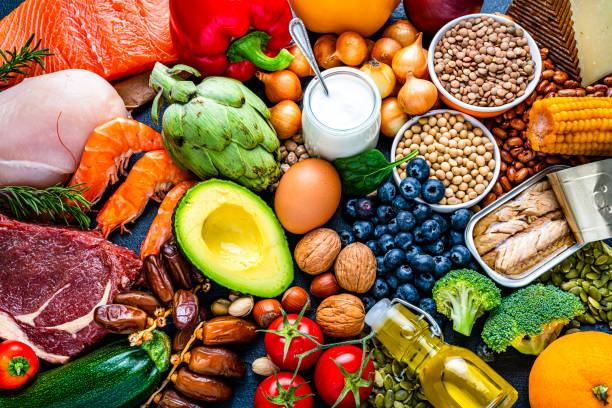
What Light Foods Keep Us Healthy?
-
Choose light and balanced meals daily.
-
Eat heavy dishes occasionally, not daily.
-
Add vegetables, fruits, and fiber to your diet.
-
Drink enough water to support digestion.
-
Use grilled, baked, or steamed cooking methods instead of frying.
-
Practice portion control—don’t overload your plate