

Legionnaires’ Disease Causes, Symptoms, and How to Stay Safe
Legionnaires’ disease is a serious type of pneumonia caused by breathing in small droplets of water that contain Legionella bacteria. While not contagious between people, this illness can lead to severe health problems, especially in older adults or people with weak immune systems. The disease was first identified in 1976 after an outbreak at an American Legion convention in Philadelphia, which is how it got its name.
This infection is not new, but due to increasing urban infrastructure and large cooling systems in buildings, it remains a relevant health concern today. If caught early, it can be treated effectively with antibiotics. However, if left untreated, it may result in hospitalization or even death.
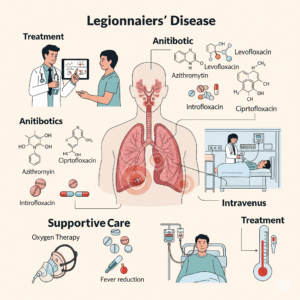
Main Points of legionnaires disease:
-
Legionnaires’ disease is a serious type of pneumonia caused by Legionella bacteria.
-
It spreads through inhaling contaminated water droplets, not from person to person.
-
The disease was first discovered in 1976 at an American Legion convention.
-
Legionella bacteria live in natural water sources but become dangerous in artificial water systems.
-
Common sources include cooling towers, hot tubs, fountains, water heaters, and building plumbing.
-
Poorly maintained water systems allow bacteria to multiply and spread through mist or steam.
-
Symptoms begin 2 to 10 days after exposure and resemble severe pneumonia.
-
Common symptoms include high fever, chills, cough, shortness of breath, chest pain, and muscle aches.
-
Some may also experience headache, fatigue, confusion, diarrhea, or nausea.
-
People at higher risk include those over 50, smokers, and individuals with weak immune systems.
-
Hospitalized patients on ventilators are also more vulnerable.
-
Diagnosis involves chest X-rays, urine tests, respiratory cultures, and blood work.
-
Treatment includes antibiotics like azithromycin or levofloxacin, usually with good recovery if treated early.
-
There is no vaccine available for Legionnaires’ disease.
-
Prevention requires regular cleaning and maintenance of water systems in large buildings.
-
Measures include disinfecting water tanks, controlling water temperatures, and avoiding stagnation.
-
Using biocides and monitoring bacterial levels helps prevent outbreaks.
-
Outbreaks still occur worldwide, especially in hotels, cruise ships, hospitals, and industrial sites.
-
Public awareness and early medical attention are crucial to prevent severe health outcomes.
-
If someone develops pneumonia symptoms after exposure to large facilities, medical help should be sought immediately.
What Causes Legionnaires’ Disease?
The bacteria responsible for Legionnaires’ disease, Legionella pneumophila, are naturally found in freshwater environments like lakes and streams. However, they become a problem when they grow in artificial water systems such as:
-
Cooling towers in air conditioning units
-
Hot tubs and whirlpools
-
Decorative fountains
-
Water tanks and heaters
-
Plumbing systems in large buildings
When these systems are not properly cleaned and maintained, the bacteria multiply and can spread through mist, steam, or spray. People inhale the tiny contaminated droplets and may become infected.
Key Symptoms to Watch For
Legionnaires’ disease usually starts 2 to 10 days after exposure. The symptoms are similar to other types of pneumonia but may be more severe. Common signs include:
-
High fever (usually above 102°F or 39°C)
-
Chills
-
Cough (which may produce mucus or blood)
-
Shortness of breath
-
Chest pain
-
Muscle aches
-
Headache
-
Fatigue
-
Loss of appetite
In some cases, patients also experience confusion, diarrhea, or nausea. These symptoms can develop quickly, so it’s important to seek medical help early.
Who Is Most at Risk?
Not everyone who breathes in Legionella bacteria will get sick. However, certain people are at a higher risk, including:
-
Adults over age 50
-
Current or former smokers
-
People with chronic lung diseases like COPD
-
Individuals with weak immune systems (due to cancer, diabetes, or medications)
-
Hospital patients on ventilators or oxygen support
How It Is Diagnosed and Treated
Doctors usually perform a chest X-ray along with laboratory tests such as:
-
Urine tests to detect Legionella bacteria
-
Sputum culture or PCR tests from respiratory samples
-
Blood tests to check infection levels
Treatment typically involves antibiotics like azithromycin or levofloxacin. Most people start feeling better within a few days of treatment, though recovery may take longer in severe cases.
Prevention and Safety Measures
Legionnaires’ disease can often be prevented with proper maintenance of water systems, especially in large buildings such as hospitals, hotels, and office towers. Key steps include:
-
Routine disinfection of cooling towers and water storage tanks
-
Keeping hot water systems above 60°C (140°F) and cold water below 20°C (68°F)
-
Preventing water stagnation in plumbing systems
-
Using biocides in industrial water systems
-
Monitoring for bacterial growth regularly
If you manage a building or facility, following a water safety plan is critical.
Is There a Vaccine?
Currently, there is no vaccine for Legionnaires’ disease. Prevention relies solely on environmental control and reducing the risk of exposure.
Recent Cases and Importance of Awareness
Outbreaks of Legionnaires’ disease continue to happen in many parts of the world, often linked to hotels, cruise ships, hospitals, or industrial cooling towers. Public health agencies often conduct investigations and testing to trace the source. Raising awareness can help both the public and building managers take action before problems arise.
Comparison between Legionnaires’ Disease and Mycoplasma Pneumonia:
| Feature | Legionnaires’ Disease | Mycoplasma Pneumonia |
|---|---|---|
| Causative Agent | Legionella pneumophila | Mycoplasma pneumoniae |
| Type | Atypical pneumonia | Atypical pneumonia |
| Transmission | Inhalation of contaminated water aerosols | Person-to-person via respiratory droplets |
| Incubation Period | 2–10 days | 1–3 weeks |
| Common Symptoms | High fever, cough, muscle pain, diarrhea, confusion | Dry cough, low-grade fever, sore throat |
| Severity | Often severe | Usually mild (“walking pneumonia”) |
| Diagnosis | Urine antigen, PCR, culture | Serology, PCR, cold agglutinins |
| First-line Antibiotics | Levofloxacin, Azithromycin | Azithromycin, Doxycycline |
| β-lactam Response | Ineffective (intracellular pathogen) | Ineffective (no cell wall) |
| Treatment Duration | 7–21 days depending on severity | 7–14 days |
| Hospitalization | Frequently required | Rarely required |
| Mortality Rate (untreated) | Up to 15% or higher | Very low (<1%) |
| Supportive Therapy | Oxygen, IV fluids, ventilation if needed | Usually not required |
| Prevention | Water system maintenance | No specific prevention |
Final Thoughts
Legionnaires’ disease may not be a household name like the flu or COVID-19, but its impact can be serious, especially for vulnerable groups. Understanding where the risk comes from and how to manage water systems safely can prevent unnecessary illness and save lives. Regular inspection, proper cleaning, and quick medical care remain the best defense against this invisible but dangerous bacteria.
If you or someone you know shows signs of pneumonia after staying in a hotel or hospital, don’t ignore it—consult a healthcare provider and mention possible exposure to contaminated water sources.